7 Warning Signs of Infections in Newborn Babies
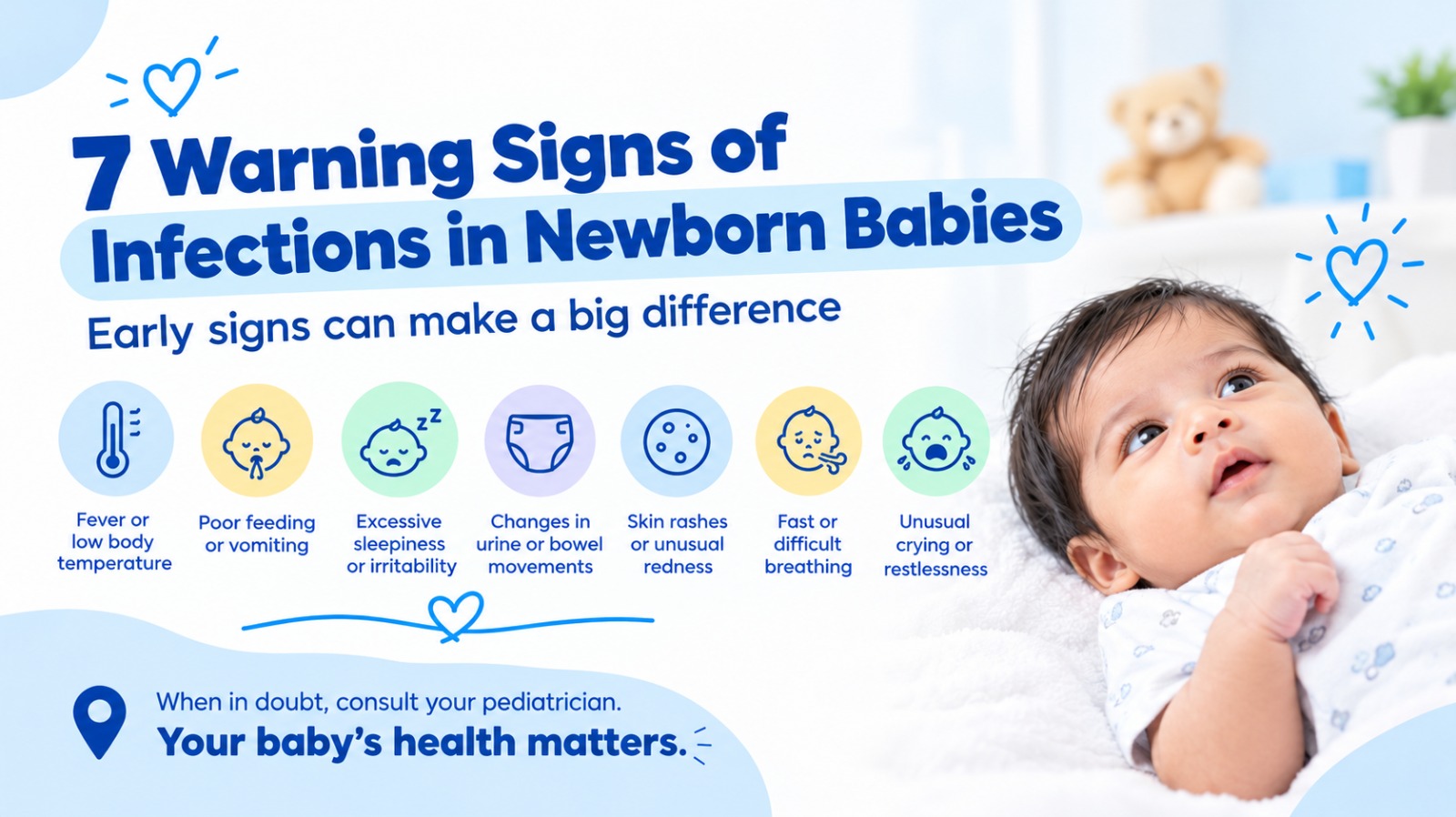
A newborn baby's immune system is still developing, making newborns more vulnerable to infections. Recognizing early warning signs and seeking medical care without delay can help prevent serious complications.
Newborn infections can sometimes progress quickly, and symptoms may be subtle. Parents and caregivers should pay attention to changes in feeding, breathing, body temperature, alertness, skin colour, and general behaviour.
If you are looking for a trusted baccho ka hospital Raipur, understanding these warning signs can help you recognize when your baby needs urgent medical care.
1. Fever or Low Body Temperature
A temperature of 38°C (100.4°F) or higher in a newborn can be a sign of a serious infection. An unusually low body temperature can also indicate that your baby needs medical assessment.
If your newborn is younger than three months and has a temperature of 38°C or higher, seek immediate medical evaluation. Do not wait for other symptoms to appear or give medication without medical advice.
2. Poor Feeding
Newborns need regular feeding to maintain hydration and support healthy growth. If your baby suddenly refuses to breastfeed, has difficulty feeding, or takes significantly less milk than usual, it may indicate an underlying health problem, including an infection.
Seek prompt medical advice if poor feeding is accompanied by unusual sleepiness, fever, breathing difficulties, or fewer wet nappies.
3. Excessive Sleepiness or Reduced Alertness
Newborn babies sleep for much of the day. However, unusual drowsiness, difficulty waking your baby for feeds, reduced responsiveness, or a sudden decrease in activity can be warning signs.
If your baby is difficult to wake, unusually floppy, or not responding normally, seek emergency medical care immediately.
4. Fast or Difficult Breathing
Breathing changes can be an important warning sign of infection in newborn babies. Watch for unusually rapid breathing, grunting sounds, flaring nostrils, or the skin pulling inward around the ribs or chest with each breath.
- Rapid or laboured breathing.
- Grunting or unusual sounds while breathing.
- Chest retractions or nostrils flaring.
- Pauses in breathing.
- Bluish lips or tongue.
These symptoms require immediate medical attention. If your baby has difficulty breathing, pauses in breathing, or blue lips or tongue, seek emergency care without delay.
5. Yellow, Pale, or Bluish Skin
Yellowing of the skin or the whites of the eyes is known as jaundice. Although jaundice is common in newborns, severe or rapidly increasing yellowing can require urgent assessment and may sometimes occur alongside an infection.
Unusual paleness, greyish skin, or a bluish colour around the lips or tongue can indicate a serious health problem. Bluish lips or tongue require emergency medical care.
Consult a pediatrician promptly if your baby's yellowing develops during the first 24 hours after birth, becomes more pronounced, or is accompanied by poor feeding or unusual sleepiness.
6. Persistent Crying or Unusual Irritability
Crying is a normal way for newborns to communicate hunger, discomfort, and other needs. However, persistent unusual crying, extreme irritability, a high-pitched cry, or difficulty soothing your baby may indicate an underlying medical problem.
Pay particular attention if your baby behaves differently than usual or develops other symptoms, such as poor feeding, fever, vomiting, or reduced alertness. Seek prompt medical assessment if you are concerned.
7. Vomiting or Diarrhea
Repeated vomiting or frequent watery stools can lead to dehydration in newborn babies. These symptoms may have several causes, including infections, and should not be ignored.
Warning signs of dehydration include fewer wet nappies, a dry mouth, poor feeding, and unusual sleepiness. Green vomit, blood in vomit or stools, or repeated forceful vomiting needs urgent medical evaluation.
Contact a pediatrician promptly if your newborn develops repeated vomiting, diarrhea, or any signs of dehydration.
When Should You See a Doctor?
Newborn infections can become serious quickly. Do not delay medical care if your baby shows any of the warning signs described above.
- A temperature of 38°C (100.4°F) or higher in a baby younger than three months.
- Unusually low body temperature along with changes in feeding, activity, or behaviour.
- Difficulty breathing, pauses in breathing, or blue lips or tongue.
- Difficulty waking your baby or reduced responsiveness.
- Persistent poor feeding or signs of dehydration.
- Rapidly worsening jaundice or other unusual changes in your baby's condition.
A newborn with suspected infection needs prompt professional assessment. Do not wait for all the symptoms to appear, and do not attempt to treat a suspected newborn infection at home.
How Can Parents Help Protect Newborn Babies?
Parents and caregivers can take practical steps to reduce infection risks and identify concerns early.
- Maintain Hand Hygiene: Wash your hands before handling or feeding your newborn.
- Follow Feeding Guidance: Follow appropriate breastfeeding or feeding advice from your healthcare professional.
- Attend Newborn Check-ups: Keep scheduled newborn and pediatric appointments.
- Monitor Your Baby: Observe feeding patterns, alertness, breathing, skin colour, and wet nappies.
- Seek Timely Medical Care: Contact a healthcare professional immediately when warning signs appear.
Choosing a Baccho Ka Hospital Raipur
When a newborn develops symptoms of a possible infection, timely access to qualified pediatric care is essential. Parents should seek a hospital that can provide prompt medical assessment and appropriate newborn care.
At Petals Children Hospital, parents can consult pediatric specialists regarding their child's health concerns, newborn care, growth monitoring, and other pediatric needs.
If you are searching for a reliable baccho ka hospital Raipur, seek professional medical guidance whenever you notice concerning symptoms in your newborn. For breathing difficulties, blue lips or tongue, difficulty waking, or other signs of a medical emergency, seek emergency care immediately.
Final Thoughts
Recognizing the warning signs of infections in newborn babies can help parents seek medical attention at the right time. Fever, low body temperature, poor feeding, unusual sleepiness, breathing difficulties, changes in skin colour, persistent irritability, and repeated vomiting or diarrhea all deserve attention.
If you are worried about your newborn's health, do not hesitate to seek professional medical advice. Early assessment can be important in identifying serious conditions and arranging appropriate treatment.
Disclaimer: This article is intended for general health education and awareness only. It is not a substitute for professional medical advice, diagnosis, or treatment. Suspected infection in a newborn requires prompt medical evaluation. Seek emergency care immediately for severe symptoms, including difficulty breathing, blue lips or tongue, or difficulty waking.